
At Oxford Orthodontics, we believe early orthodontic treatment is about much more than straightening teeth. An assessment during childhood allows us to see how your child's teeth, jaws, palate and facial development are progressing while significant growth still remains.
Problems such as a narrow palate, crowded teeth, crossbite, lack of space for adult teeth or developing jaw discrepancies can often be identified years before all the permanent teeth have erupted. We also consider factors such as mouth breathing, snoring, tongue posture and oral habits, which may occur alongside certain orthodontic problems.



Early orthodontic treatment focuses on guiding growth rather than simply correcting crooked teeth. By assessing your child's teeth and jaws while they are still developing, we can identify problems that may benefit from treatment before they become more established.
Early treatment may help:
An orthodontic assessment from around age seven allows us to decide whether treatment should begin, or whether careful monitoring is the better option. Every recommendation is based on your child's individual growth rather than a one-size-fits-all approach.
LEARN MOREA narrow or high palate in children can affect both the amount of space available for developing adult teeth and the way the upper and lower jaws fit together.
Because the roof of the mouth also forms the floor of the nasal cavity, the development of the upper jaw is closely connected with the space available within the nose. Children with a narrow palate may also develop crowded teeth, crossbites or difficulties with normal tongue posture.
When identified at the right stage of growth, palate expansion for children can gently widen the upper jaw, creating additional space for developing permanent teeth and encouraging a more balanced bite. At Oxford Orthodontics, we carefully assess each child's growth and development to determine whether early intervention could be beneficial.


Persistent mouth breathing in children can sometimes be a sign that the mouth, jaws or airway are not developing as well as they could.
Ideally, children should breathe comfortably through their nose, with the tongue resting naturally against the roof of the mouth. Regular mouth breathing can affect this balance and may be associated with a narrow or high palate, crowded teeth and changes in jaw and facial development.
At Oxford Orthodontics, an early orthodontic assessment allows us to look beyond simply straightening teeth and consider how your child's jaws, bite and oral function are developing. Where appropriate, palate expansion and early orthodontic treatment may help create more space and support healthier growth and development.
Most children will snore occasionally, particularly when they have a cold or blocked nose. However, regular snoring in children is something parents should pay attention to, particularly when accompanied by mouth breathing or restless sleep.
The shape and development of the jaws and palate can influence the space available for the tongue and airway. A narrow upper jaw or high palate, for example, may occur alongside difficulties with comfortable nasal breathing. An early assessment at Oxford Orthodontics can help identify whether your child's developing jaws and bite could be contributing factors. Where appropriate, early orthodontic treatment or palate expansion may be considered to support healthy jaw development and create more favourable conditions for breathing.

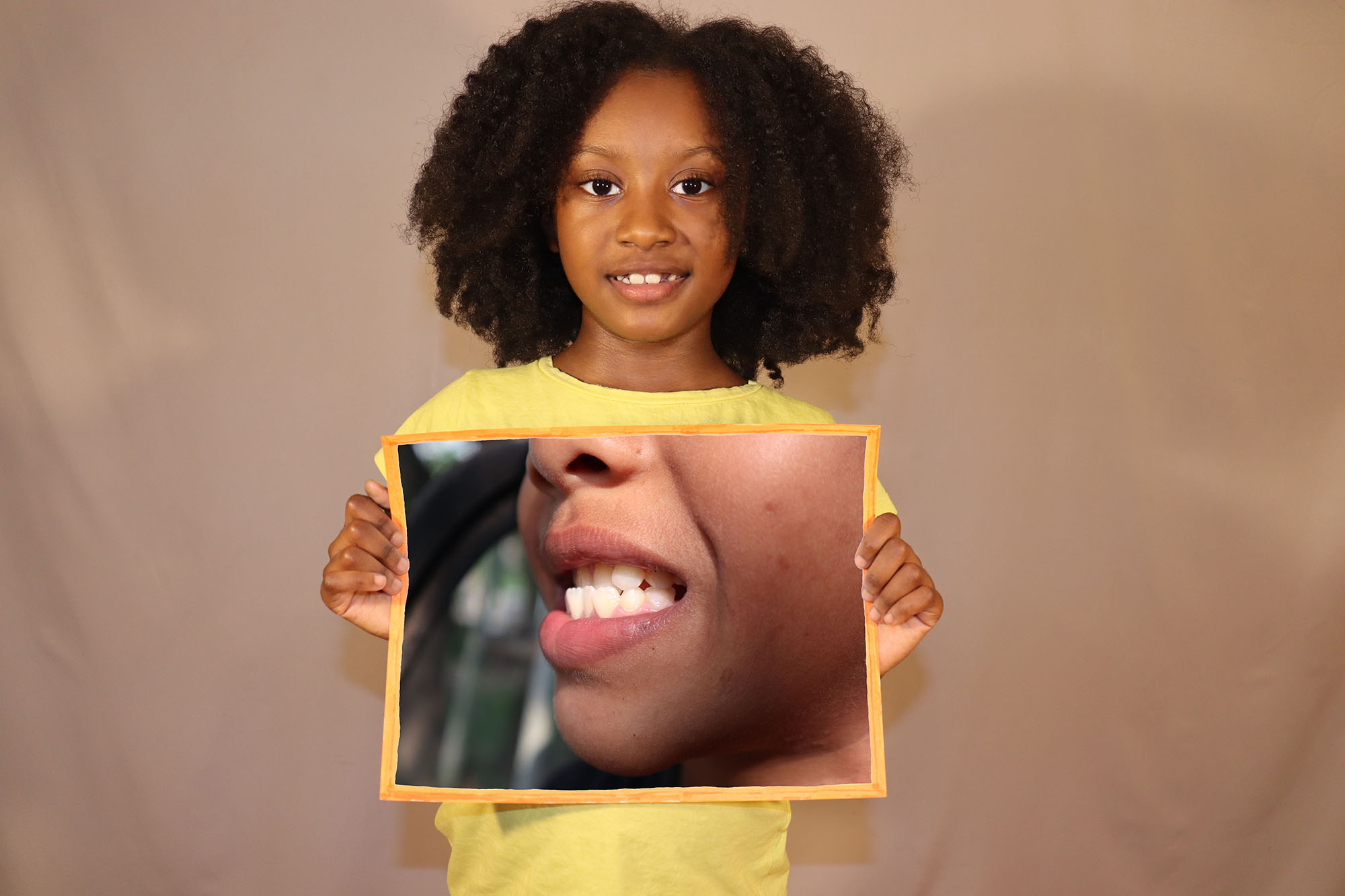
A crossbite or underbite in a child may be an early indication that the jaws are developing out of balance. A crossbite can occur when the upper jaw is too narrow, causing some of the upper teeth to bite inside the lower teeth. An underbite occurs when the lower front teeth sit ahead of the upper teeth.
Because children's jaws are still growing, identifying these problems early can provide an opportunity to guide development rather than waiting until all the adult teeth have appeared.
Early orthodontic treatment for crossbites and underbites may include palate expansion or other growth-guidance techniques. At Oxford Orthodontics, our aim is to encourage a healthier bite, create appropriate space for developing teeth and support balanced jaw and facial development.
Seeing crowded teeth in your child doesn't necessarily mean treatment needs to wait until their teenage years. Crowding can sometimes be an indication that the developing jaws do not have enough room for the permanent teeth.
A narrow upper jaw, high palate and other developmental factors can all influence the space available. Early orthodontic assessment gives us an opportunity to understand why crowding is developing and whether treatment during growth could help.
Where appropriate, palate expansion or early interceptive orthodontic treatment can create more room for adult teeth to erupt naturally and encourage better development of the dental arches.
Early treatment won't remove the need for braces or aligners in every child, but it may make future orthodontic treatment simpler and more predictable.
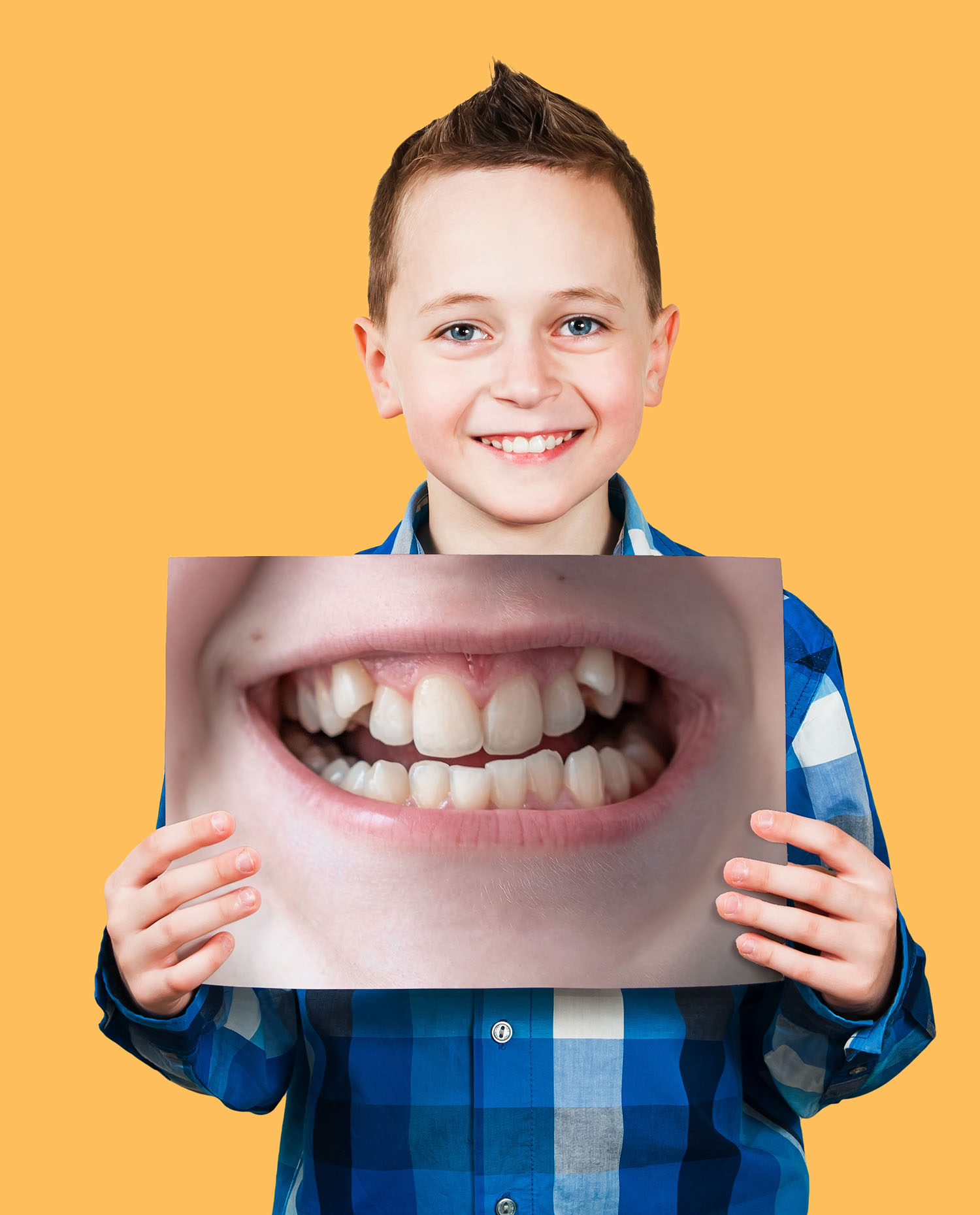

Protruding front teeth in children are relatively common and can develop for several reasons, including the relationship between the upper and lower jaws, thumb sucking and other oral habits.
Prominent front teeth can affect the appearance of a child's smile, but they can also be more exposed and therefore more vulnerable to accidental damage.
Assessing protruding teeth while your child is still growing allows us to look at the underlying relationship between the teeth, jaws and facial development. In suitable cases, early orthodontic treatment can use your child's natural growth to encourage a more balanced relationship between the jaws and improve the position of the front teeth.
At Oxford Orthodontics, we'll advise whether early treatment is worthwhile or whether monitoring development is the better approach.
Every child's teeth develop differently, but adult teeth erupting in unusual positions can sometimes indicate that there isn't enough space available or that a permanent tooth isn't following its ideal eruption path. You may notice an adult tooth appearing behind another tooth, high in the gum or significantly out of line with neighbouring teeth.
An early orthodontic assessment for children allows us to check how the permanent teeth are developing and whether there is sufficient space for them to erupt. If intervention is appropriate, palate expansion or early orthodontic treatment may help create additional room and guide developing teeth towards better positions.
Addressing potential problems early can sometimes reduce crowding and make later orthodontic treatment more straightforward.


Thumb sucking is completely normal in babies and young children, but prolonged thumb sucking can begin to influence the development of the teeth and jaws if the habit continues as your child grows.
Regular pressure from the thumb can push the upper front teeth forwards, contribute to an open bite and affect the shape of the developing upper jaw and palate. The effects will vary according to how frequently and intensely your child sucks their thumb and how long the habit continues.
An early orthodontic assessment can identify whether changes to the teeth or jaws are beginning to develop. At Oxford Orthodontics, we can advise parents on the appropriate time to address the habit and whether early orthodontic treatment or palate expansion could help guide future dental and jaw development.
Invisalign® First is an advanced clear aligner treatment designed specifically for younger children whose teeth and jaws are still growing.
Learn More