
Invisalign® First is designed specifically for growing children, typically aged 6–10, including children with a mixture of baby and permanent teeth. It can address issues including crowding, spacing and narrow dental arches. At Oxford Orthodontics we specifically promote Invisalign First® as part of our children's orthodontic service.



Invisalign® First is an advanced clear aligner treatment designed specifically for younger children whose teeth and jaws are still growing.
The treatment uses virtually invisible, removable aligners to gently guide developing teeth into improved positions. At Oxford Orthodontics we can identify potential problems and establish whether Invisalign® First could benefit your child's growing smile.
Invisalign® First treatment is often referred to as Phase 1 orthodontic treatment. Early treatment can be particularly valuable for children with a narrow upper jaw, dental crowding, crossbites, protruding teeth or insufficient space for their developing adult teeth.
Invisalign® First guides tooth movement while accommodating new teeth and the continued development of the jaws.
The treatment is about much more than simply making the front teeth look straighter. Early orthodontic assessment allows us to look at jaw development, dental arch width, facial growth, bite, tooth eruption and oral function.
Invisalign® First treatment can create additional space within the dental arches and help establish healthier conditions for the adult teeth as they emerge.
At Oxford Orthodontics we plan our treatment around each child's growth and development. An early assessment can help identify developing orthodontic problems and determine whether Invisalign® First is the most appropriate approach.
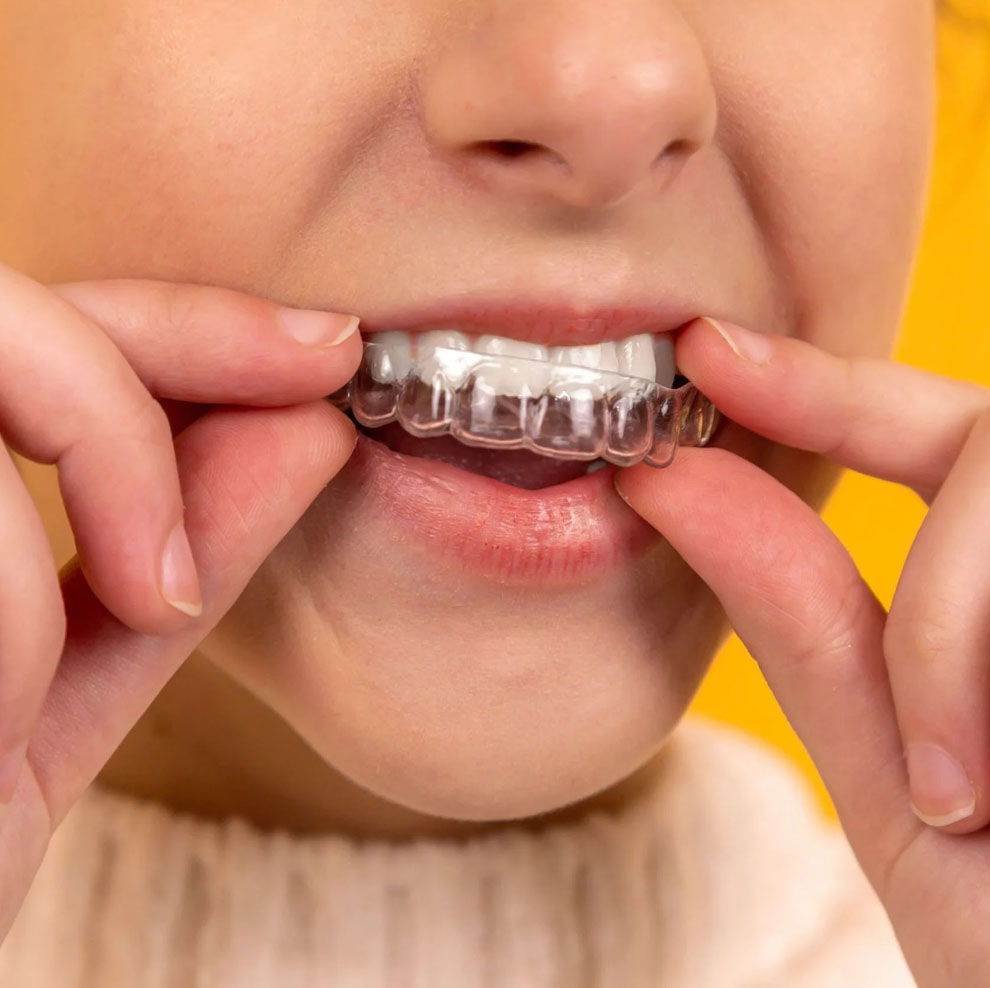
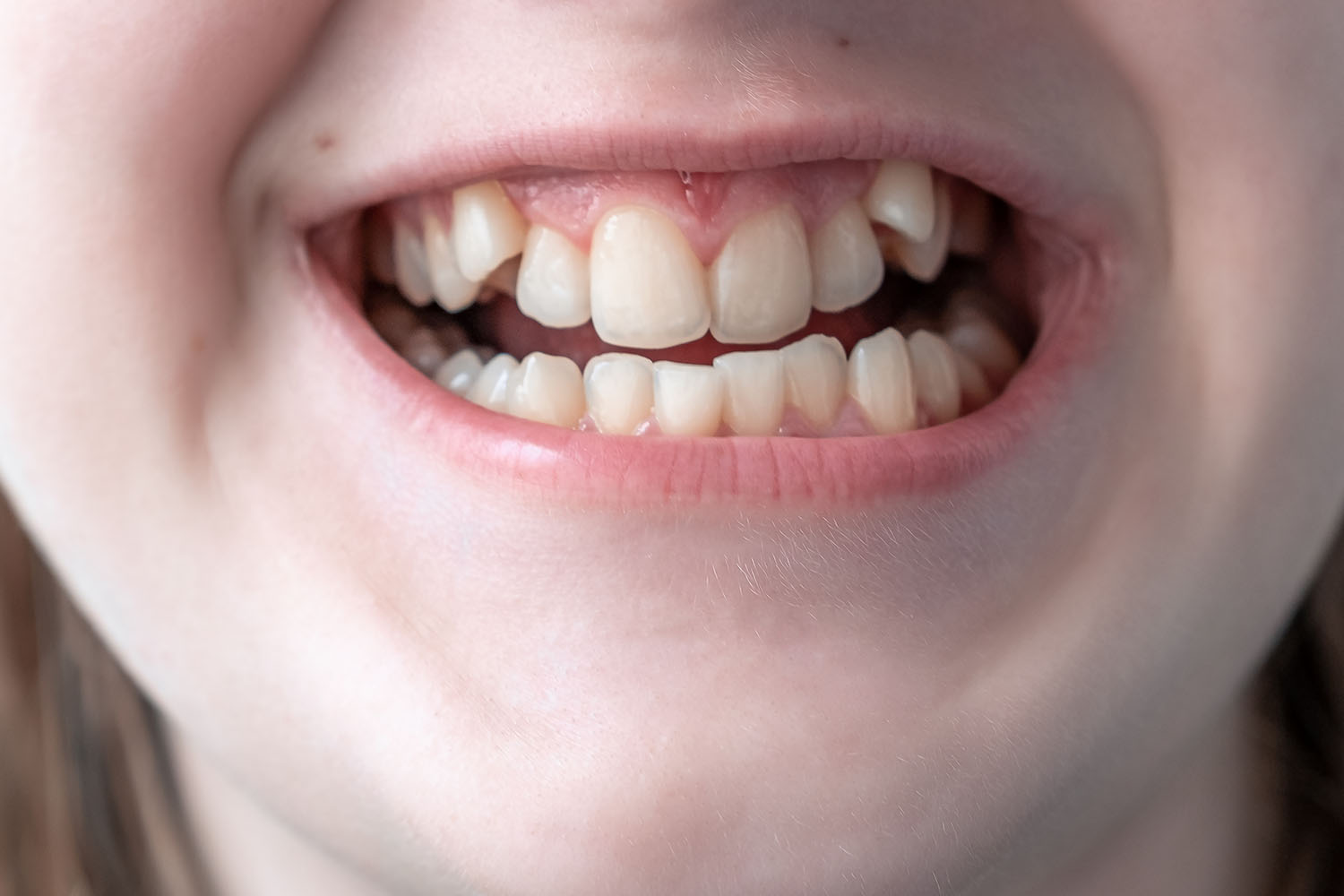
One of the most important objectives of early orthodontic treatment is creating sufficient space for developing adult teeth. Children with a narrow upper dental arch or crowded teeth may have limited room available as larger permanent teeth begin to erupt.
Invisalign® First can be used in selected cases to develop the dental arches while simultaneously improving tooth position and bite.
Invisalign® First expansion considers the overall shape and width of the dental arch. Carefully programmed aligner movements can gradually broaden the dental arch providing additional space for crowded or erupting teeth. This can be particularly useful during the period when children have a combination of baby and adult teeth. At this stage, our orthodontist can assess how the jaws and dental arches are developing and identify whether emerging permanent teeth are likely to have enough room.
At Oxford Orthodontics, we assess dental arch width, crowding, bite, jaw relationships, facial growth and tooth eruption before recommending treatment.
One of the most common questions parents ask us is “will my child need teeth removed for orthodontic treatment?” The answer depends on several factors, including the amount of dental crowding, the size and position of the teeth, jaw development and the space available for emerging adult teeth.
At Oxford Orthodontics, early assessment allows us to identify potential space problems while your child is still growing. For suitable children, Invisalign® First treatment can help develop the dental arches, create additional space and guide emerging adult teeth into more favourable positions. Addressing crowding and narrow dental arches at an earlier stage may, in selected cases, reduce the likelihood of dental extractions being required during later orthodontic treatment.
However, every child's teeth, jaws and facial development are different, and sometimes removing teeth may still provide the most appropriate long-term orthodontic result.
At Oxford Orthodontics we will assess your child and decide whether Invisalign® First, dental arch development or early orthodontic treatment could create and preserve valuable space as they grow, minimising the need for dental extractions.


Mouth breathing in children can sometimes be associated with a narrow upper dental arch, reduced space for the tongue and developing orthodontic problems.
At Oxford Orthodontics, we consider breathing patterns as part of a wider early orthodontic assessment, looking carefully at dental arch width, tooth position, bite and jaw development. Addressing a narrow dental arch during a child's important growth years may also create more favourable conditions for normal tongue posture and oral function.
Persistent childhood mouth breathing can have several causes, including nasal obstruction, allergies and enlarged tonsils or adenoids, so Invisalign® First is not a direct treatment for mouth breathing. However, where a narrow dental arch or orthodontic problem is contributing to an unfavourable oral environment, early orthodontic treatment may be beneficial.
At Oxford Orthodontics, we can assess children showing signs of mouth breathing alongside crowding, narrow arches or developing bite problems and determine whether Invisalign® First, orthodontic expansion or another early orthodontic treatment could help improve dental development and create healthier conditions for future growth.
Snoring in children can sometimes occur alongside mouth breathing, a narrow upper dental arch or other developing orthodontic problems.
At Oxford Orthodontics, an early orthodontic assessment can consider any concerns parents may have about their child's breathing during sleep. Persistent or frequent snoring in children can have many causes and should not be considered purely as an orthodontic problem.
Invisalign® First is not a treatment for snoring or sleep apnoea, but early orthodontic treatment may address relevant dental or jaw development issues where these are present.
At Oxford Orthodontics, we can assess your child and determine whether Invisalign® First, orthodontic expansion treatment is appropriate.

Invisalign® First is an advanced clear aligner treatment designed specifically for younger children whose teeth and jaws are still growing.
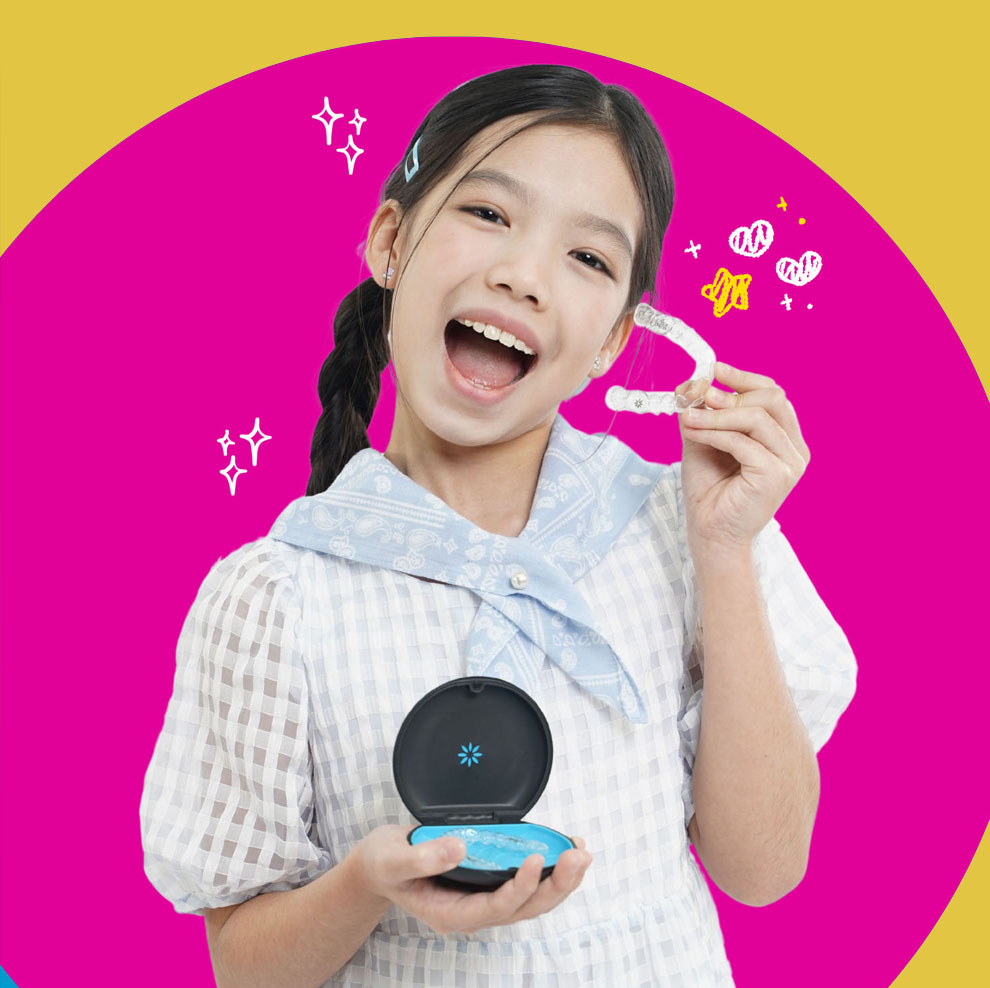
A major advantage of Invisalign® First clear aligners is their convenience. Unlike traditional fixed braces, the aligners are discreet, smooth and removable, allowing children to take them out for eating, brushing and flossing. This means fewer restrictions around food and makes maintaining good oral hygiene easier.
Each treatment is individually planned using advanced digital technology, creating custom-made aligners that gradually move the teeth according to the orthodontist's carefully designed treatment plan.
Invisalign® First doesn't necessarily mean your child won't need further orthodontic treatment as their permanent teeth emerge. Instead, its purpose is to address specific concerns at an earlier stage and establish a better foundation for a healthy, well-aligned adult smile.
If you've noticed crowded teeth, unusual spacing or bite problems, an early assessment can help. Our specialist orthodontic team can determine whether Invisalign First® is the right treatment for your child.
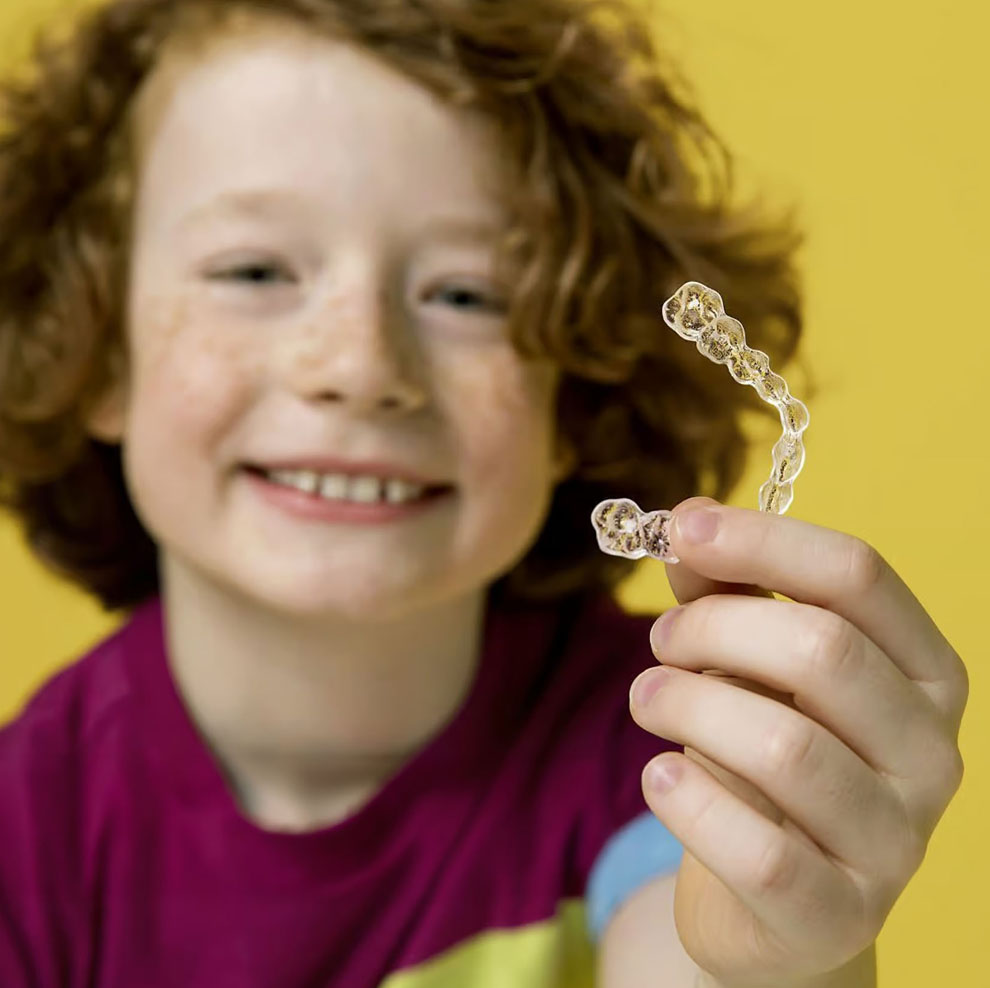

As with other types of orthodontic treatment, the cost of Invisalign® First aligners is dependent upon the complexity of your child's teeth straightening and their course of treatment. As a general rule, the cost is comparable to traditional fixed braces. In simple terms, the more complex your teeth straightening, the more Invisalign® aligners are needed to achieve the best smile. Conversely, the less complex the straightening, the less Invisalign® aligners are needed.
Consequently, based on the number of Invisalign® aligners your dentist prescribes as needed, the price goes up or down accordingly. On this basis, only an accredited Invisalign® dentist or Orthodontist Provider is able to determine your cost.
To prevent damage to the aligners and to your child's teeth we recommend aligners are removed for eating and drinking.
If your child loses or breaks an aligner and it has not been worn for a full week then wear your previous aligner and contact us as soon as possible for advice.
We recommend keeping the aligners in the protective case when they are not worn to avoid damage.
Yes! One of the wonderful features of Invisalign® is the ability to produce a digital simulation (ClinCheck) of your childs treatment from start to finish with a week by week timeline of their treatment journey.
Invisalign® aligners are very thin and smooth with no wires or brackets. However, you child may still experience minor discomfort and tightness in the first few days after changing the aligners. This is due to your teeth adjusting to their new positions and is an encouraging sign that the teeth are moving.
The aligners can be cleaned with cold water and a toothbrush (avoid toothpaste). You can also use a liquid soap and we will give you a starter pack containing aligner cleaning tablets. Hot water will cause the aligner to distort.
The aligners are virtually invisible so its highly unlikely that anyone will ever notice that your child is having orthodontic treatment!
In most cases, the treatment can take between 6 and 18 months.
An advantage with Invisalign® is that you will only need to be seen about every 12 weeks. These long gaps in between appointments
will mean that your treatment does not interfere with your life.